

5 Quick Moves to Start Family Marketing for Museums This Quarter


Start with five moves that cost little and pay off fast: put a clear families signpost on your homepage, build a dedicated Families page, launch a segmented family email list, price family visits simply with tiered or free youth admission, and stand up one recurring family program. Museums that execute this combination typically see a near-term bump in program registrations and family membership signups within a single season. The rest of this guide breaks down exactly how to build each piece, in order of effort versus payoff.
TL;DR:
Creating a dedicated Families page with clear visit guidance, layered with targeted email campaigns, can quickly boost family program registrations within a single season.
Authentic family photos from internal staff or previous programs outperform staged images for marketing, and specific CTAs like “Reserve a Kids Ticket” are more effective than vague ones.
Segmenting email audiences ahead of school breaks and measuring metrics such as family visits, registrations, and repeat attendance are key to understanding campaign success.
Intergenerational activities that encourage adults and children to engage together, like hands-on stations and family activity boxes, significantly increase visitor satisfaction.
Using concentrated, theme-based family days around school holidays can generate urgent participation while helping refine post-event follow-up strategies.
Table of Contents
Quick Wins That Signal Family Friendliness Right Away
A caregiver deciding whether to bring two kids to your museum on a Saturday morning makes that decision in under a minute, usually on a phone screen. Your homepage and Families page either answer their questions in that window or lose them to the aquarium down the street. Sector guidance from Kids in Museums consistently ranks homepage signposting, a dedicated family page, and a family newsletter as the highest-leverage tactics for reaching this audience, and that advice holds up against how U.S. institutions are actually marketing themselves right now.
Here’s what to fix on your website and homepage this week:
Swap generic lobby photography for images of real families mid-activity: a parent and child pointing at a painting, siblings building something at a hands-on station.
Add a “Visiting with Kids” or “Families” button to the main navigation, not buried three clicks deep in “Visit.”
Put age guidance, estimated visit length, and stroller or changing-table access directly on the Families page, not scattered across a general FAQ.
Replace vague CTAs like “Learn More” with specific ones: “See This Weekend’s Family Activities” or “Reserve a Free Kids Ticket.”
List your youth admission policy above the fold. If children under a certain age visit free, as many institutions do, say so in the first paragraph families read, the way the Exploratorium structures its reduced-rate page.
For templates, three are worth building immediately: a post-visit thank-you email with a soft ask to join the family newsletter, a family newsletter signup incentive (a free activity sheet download or a discount code for the next visit), and a social post template inviting families to tag the museum in their own photos for a chance to be featured. The Blanton Museum of Art and Cooper Hewitt both model this well: both keep a standing, easy-to-find families section with recurring programs and clear age framing, rather than treating family content as a seasonal afterthought.
A one-week checklist for a small marketing team looks like this: Monday, audit your homepage and Families page against the list above. Tuesday and Wednesday, replace at least three photos with authentic family imagery and rewrite CTAs. Thursday, build the newsletter signup form and incentive. Friday, draft and schedule your first UGC-style social post.
Pro Tip: Ask your front-of-house or education team for their phone camera rolls before you commission new photography. Most museums already have unpolished, authentic family photos sitting in someone’s camera roll from past programs, and those often outperform staged shots in ad testing.
Which Digital Channels Actually Move Family Metrics?
Your Families page needs to be built for how caregivers actually search, not how your curators write. People typing into Google before a visit tend to search phrases like “museum with baby changing station near me,” “is [museum name] good for a 5 year old,” or “how long does it take to see [museum].” Bake those phrases directly into your page copy: accessibility features, age-appropriateness by gallery, and a realistic time estimate for a family visit.
Email remains one of the most reliable channels for this audience, and timing matters more than most marketing teams treat it. Building a segmented family list separate from your general newsletter lets you send targeted campaigns ahead of school breaks rather than generic monthly updates. A workable cadence:
Three weeks before a school holiday, send a “save the date” preview of holiday programming.
One week before, send a reminder with a direct registration link and clear pricing.
The day before or morning of, send a same-day nudge for drop-in programs that don’t require advance booking.
Within 48 hours after the visit, send a thank-you email with the newsletter signup incentive and a request for a quick survey response.
On social, short vertical video of kids actually engaged in an activity, not a talking-head announcement, consistently outperforms static graphics for family content. Event posts framed around a specific weekend (“This Saturday: Free Family Storytime at 11am”) beat generic “come visit us” posts. A modest UGC campaign, built around a simple, memorable hashtag and a monthly repost of the best family photo, costs nothing but staff time and builds a library of authentic imagery for future ads.
Facebook still carries outsized weight for reaching parents and caregivers, and sector guidance backs testing paid campaigns there with small budgets before scaling. A reasonable starting structure: a modest test campaign over several weeks, targeting a defined radius around your zip code, layered with parenting and family-interest targeting, promoting one specific event or program rather than the museum in general.
For measurement, keep a simple dashboard that tracks four numbers weekly: family newsletter signups, Families page traffic, event registrations, and cost per registration on any paid campaign. Once you’re running campaigns on multiple platforms, tools like Opti Arts’s ticket-sales tracking dashboard can connect ad spend directly to box-office attendance, which matters once you’re managing more than one channel at a time.
How Do You Design On-Site Visits Families Actually Enjoy?
The programming choice that moves the needle most isn’t a bigger exhibit budget. It’s designing activities that get adults and kids looking together instead of parking kids in a corner while adults wander separately. Research on museum programming shows that intergenerational engagement, meaning facilitated prompts and collaborative activities rather than child-only entertainment, scores measurably higher on visitor satisfaction than programming that isolates kids from the adults they came with.
Test these formats before committing to anything expensive:
Family activity boxes, available at check-in and included with general admission, the way the Blanton offers them alongside its summer storytime.
Drop-in workshops that don’t require registration, lowering the barrier for spontaneous weekend visits.
Recurring storytime slots tied to a consistent day and time families can build into their routine.
Hands-on stations embedded directly in galleries rather than isolated in a separate children’s room, so families engage with the collection together.
Operationally, balance booked programs against drop-in access. Requiring registration for free events gives you an email address and a data point, but it also creates friction for families who decide to visit on a whim. A workable split is registration required for capacity-limited workshops, drop-in access for storytime and activity stations. Staff for the busiest weekend slots first and build in accessibility accommodations, quiet hours, or sensory-friendly time blocks from the start rather than retrofitting them later.
On pricing, the pattern across successful family programs is consistent: lower the cost of the first visit and reward the fifth one. The Franklin Institute runs its large interactive family exhibitions with multiple ticket tiers, including flexible daytime and evening options, so families can choose the price point that fits their visit. Free or reduced admission for young children, as practiced at the Exploratorium, removes the single biggest objection a parent has before deciding to come at all. Family membership, sold as a clear bundle with a defined number of included visits and a discount on programs, converts especially well right after a strong first visit. Pairing intergenerational programming with an explicit family membership benefit tends to drive both repeat visits and membership upgrades, based on how institutions like the Blanton structure their offer.
Reaching Families You Aren’t Currently Marketing To
Not every family looks like the one your marketing photos currently show. A single parent juggling one child on a Tuesday afternoon has different needs than a multigenerational group visiting with grandparents on a Sunday. Multigenerational families need programming that works for a wider age range and mobility considerations for older visitors. Single parents often respond better to drop-in flexibility than booked time slots, since childcare backup plans can fall through. Blended and non-traditional family structures respond well to marketing copy that says “caregivers and kids” rather than defaulting to “moms and dads.”
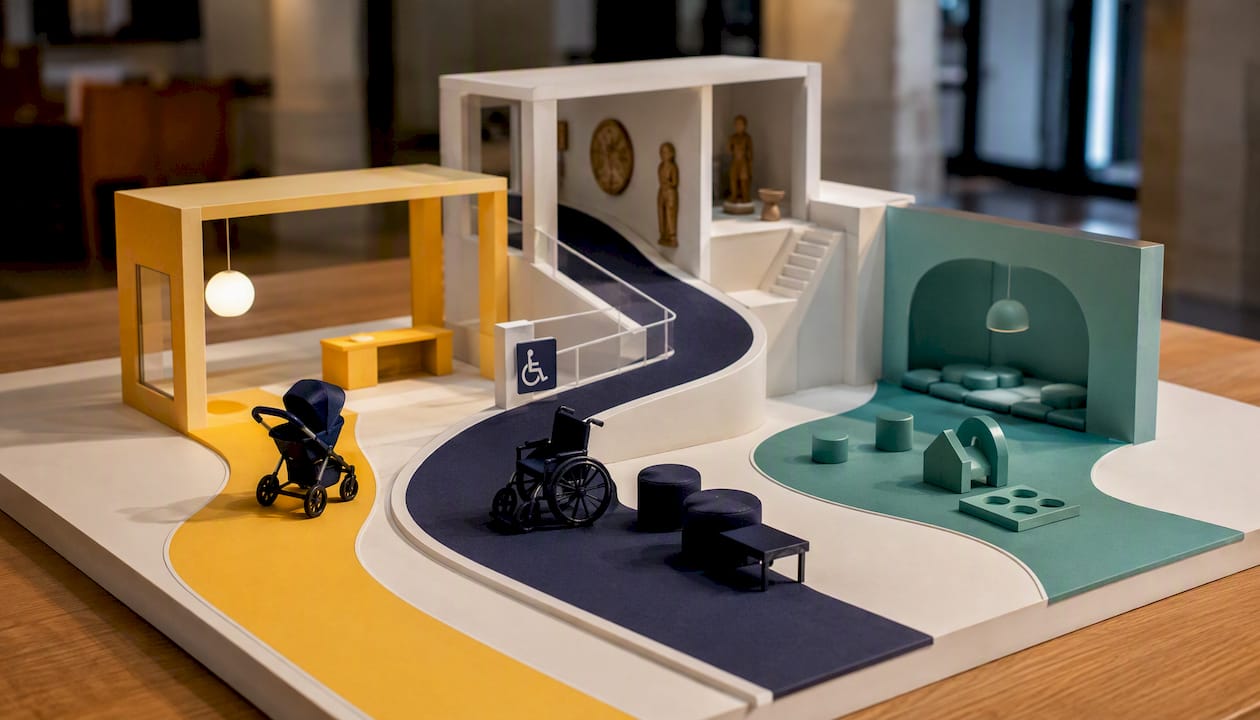
Accessibility should be built into family marketing from the start, not bolted on afterward. That means captioned video content, alt text on family photography, sensory-friendly visit hours clearly listed alongside general visit info, and imagery that includes visible disabilities, not just an accessibility icon buried in a footer.
Building Outreach Partnerships Without a Big Budget
Schools and parent-teacher associations remain the most underused outreach channel for most museums, largely because pitches go out too late or too generic. Send a one-page offer to school administrators and PTA newsletter editors at the start of each semester, timed around fall and spring planning windows, with one clear ask: a mention in the school newsletter or a discounted group visit slot.
Local parenting Facebook groups and micro-influencers with a genuinely local, family-focused following often outperform broader influencer outreach. A short brief template works best: state the visit date, what’s included, and one specific ask (a photo, a story post, a mention in their group).
Cross-promote with local libraries, which often run their own family programming calendars and are open to reciprocal listings.
Partner with family-friendly restaurants near your location for a “visit and dine” combined offer.
Submit events to community newsletters and town calendars at least three weeks ahead of the date.
Post directly in local parenting Facebook groups rather than relying solely on your own page’s reach.
What Should You Actually Measure and Test?
Track four numbers as your primary family marketing KPIs: family visits, program registrations, family membership conversions, and repeat visits within 12 months of a first family visit. Everything else is a supporting metric.
Run these tests before investing in anything larger:
A/B test your Families page hero image against a second family photo to see which drives more clicks to registration.
Test CTA wording (“Reserve Your Spot” versus “See This Weekend’s Activities”) on your event listing pages.
Test registration-required versus drop-in-allowed for one recurring program to see which drives higher actual attendance.
For attribution, a simple UTM tagging structure on every email and social link, paired with one post-visit survey question (“How did you hear about us today?”), gives you enough signal to know which channel is actually working without building a complicated analytics stack.
Pro Tip: Ask the “how did you hear about us” question at checkout or on the activity box handout, not in a follow-up email. Response rates drop sharply once families have left the building.
Once you’re running family campaigns across three or more channels and can’t keep the attribution straight in a spreadsheet, that’s the point to consider bringing in outside measurement support.
Telling Stories That Actually Land With Families
Family audiences respond to narrative differently than solo adult visitors do. A caregiver isn’t just deciding whether the exhibit is interesting. They’re deciding whether it will hold a seven-year-old’s attention for twenty minutes without a meltdown. Marketing copy that leads with a specific, concrete moment (“Watch your kid build a working pulley system”) outperforms copy that leads with institutional framing (“Explore the science of simple machines”).
The strongest family storytelling in museum marketing right now leans on real visitor moments rather than manufactured scenarios. A short video of an actual family reaction, a genuine quote from a caregiver about what surprised their kid, or a simple before-and-after photo of a completed activity box project all carry more weight than polished stock imagery. Frame every piece of family-facing content around a specific sensory or emotional beat: what will they touch, build, hear, or laugh at. Avoid describing the institution’s mission in family marketing copy at all. Parents aren’t evaluating your mission statement. They’re evaluating whether their Saturday is well spent, and your storytelling should answer that question directly and quickly.
Using Special Events and Family Days as Engagement Spikes
A well-timed family day does two things a standing program can’t: it gives you a hard deadline to market against, and it gives lapsed visitors a low-pressure reason to come back. Anchor at least one flagship family day to each school holiday period rather than scattering events evenly across the calendar. That concentration makes your marketing push more efficient, since you’re building urgency around one date instead of diffusing attention across several smaller ones.
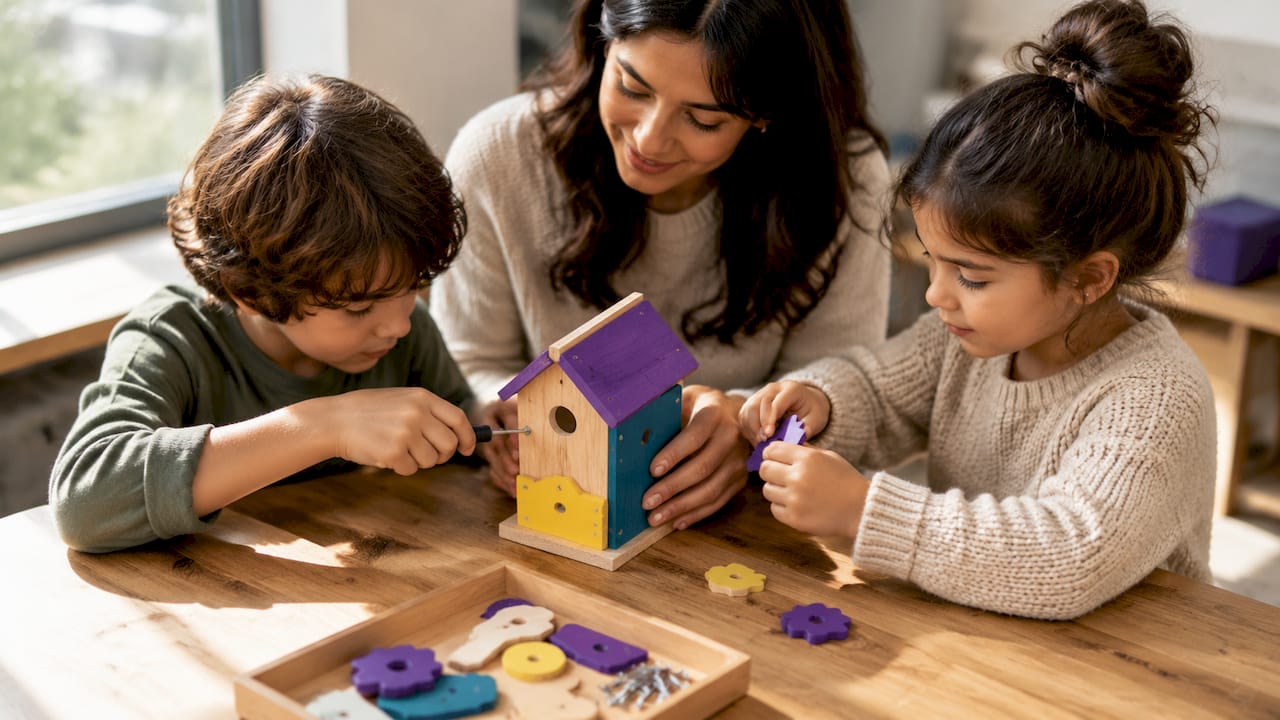
Theme the day around something visually shareable: a costume element, a build-and-take craft, or a live demonstration timed to specific hours; see how to plan a family science night kids will actually remember for programming inspiration. Announce it early enough that it can anchor your family newsletter cadence and give your social team a natural hook for countdown posts in the week leading up to it. Track attendance and registration numbers from these days separately from your baseline family visit metrics. A spike day that converts strongly into newsletter signups or membership sales tells you which format to repeat, and a spike day that draws a crowd but generates no follow-up data tells you to fix your capture mechanism before running it again.
Practitioner Perspective: Prioritizing What Your Team Can Actually Deliver
Most museum marketing teams don’t fail at family outreach because they lack good ideas. They fail because every idea gets treated as equally urgent. A useful triage: quick wins you can finish in zero to three weeks (website signposting, email segmentation, pricing clarity), short projects for one to three months (a new drop-in program, a UGC campaign), and strategic investments needing six months or more (a redesigned family membership tier, a full paid media strategy).
Coordinate early with education and front-of-house staff before launching anything new. They’ll catch operational problems your marketing plan can’t see from a desk. Document what worked and what didn’t after every test, even informally, because that record is what lets a small team compound its wins instead of relearning the same lessons every season.
— Trevor
How Opti Arts Helps Museums Scale Family Marketing Without Guessing
Everything above works with a spreadsheet, a small team, and steady effort. The limit shows up once you’re running family campaigns across email, social, and paid channels simultaneously and need to know which one is actually driving ticket sales, not just clicks. Opti Arts is the specialist partner for that exact gap: instead of piecing together platform-native reports from Meta, Google, and YouTube separately, museums get one dashboard that ties ad performance directly to box-office outcomes.
Opti Arts builds data-driven paid campaigns specifically for cultural institutions, running family-focused creative across Meta, Google, YouTube, Spotify, and streaming platforms, then connects every dollar spent to actual attendance through its Breakeven ticket-sales tracking dashboard. That’s the difference between guessing which channel worked and knowing it. If your team is still handling family outreach entirely in-house, that’s the right call while you’re testing the quick wins covered above. Once you’re managing multiple campaigns, multiple events, and a growing family membership program at once, it’s worth bringing in a partner built for that scale. See how Opti Arts’s campaign solutions work for museums your size, and request a walkthrough of the dashboard before your next family programming push.
Sources
FAQ
What Is the Fastest Way to Start Family Marketing for Museums?
Build a dedicated Families page with clear pricing, age guidance, and visit-length estimates, then launch a segmented family email list. Both can be done within a week and typically drive the fastest measurable lift in registrations.
Should Family Events Require Advance Registration?
Reserve registration for capacity-limited workshops only, and keep recurring programs like storytime or activity stations as drop-in access. Requiring registration for everything creates friction that discourages spontaneous weekend visits.
How Much Should a Museum Spend on Its First Family Facebook Campaign?
Start with a modest test campaign over several weeks, targeting a defined local radius layered with parenting interest categories, and promote one specific event rather than the museum generally.
How Do You Know if a Family Marketing Campaign Is Working?
Track family visits, program registrations, membership conversions, and repeat visits within 12 months as your core metrics, paired with a simple UTM structure and a one-question post-visit survey.
When Should a Museum Bring in an Outside Marketing Partner?
Once family campaigns are running across three or more channels and attribution becomes hard to track manually, a partner like Opti Arts can consolidate reporting and tie ad spend directly to ticket sales.
Recommended